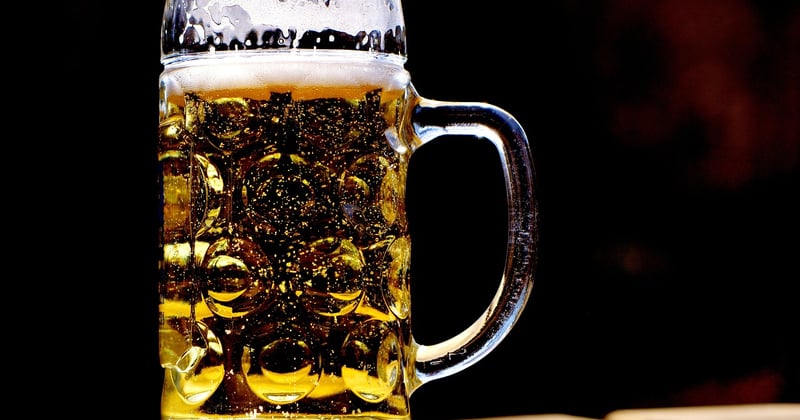
Pour yourself a pale ale and a brown ale side by side. Taste both. One finishes clean and dry. The other leaves a soft, almost honeyed impression on your tongue. Same grain bill logic, roughly similar alcohol, wildly different mouthfeel. Most drinkers I talk to describe the second one as "sweeter"—and then look confused when I tell them it may contain less actual sugar than the first.
That gap between what malt sweetness actually tastes like in beer and what people assume it is makes up most of the confusion around this topic. Malt sweetness isn't sugar in a spoon. It's a chain of perceptions—bread crust, toffee, a whisper of honey, sometimes dried fruit—that your brain reads as "sweet" even when the beer finishes bone dry. Once you learn to separate the layers, tasting gets a lot more interesting.
Key Takeaways
- Malt sweetness is a perceived quality, not a direct measure of residual sugar.
- Barley malt brings grain, bread, biscuit, caramel, and toffee notes—not the sugary hit of candy.
- Yeast decides how much sugar survives fermentation, and that choice shapes the final impression.
- Non-fermentable dextrins add body and a soft, round sensation that many drinkers read as sweetness.
- Toasted and roasted malts can taste sweet alongside roast, cocoa, or coffee depending on how dark they run.
What malt sweetness actually tastes like in beer
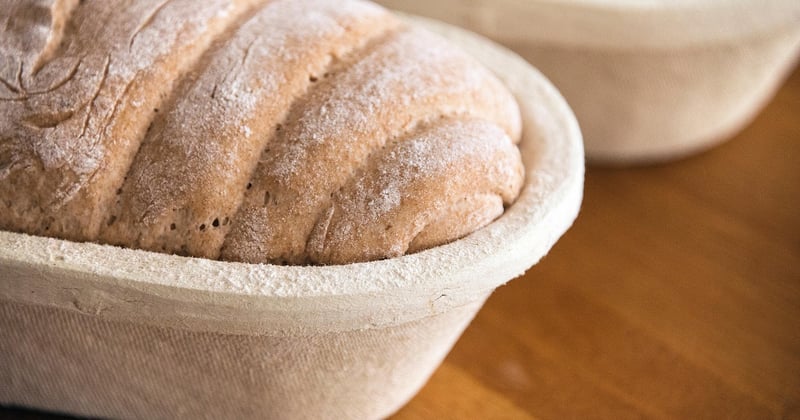
Picture biting into a slice of fresh sourdough. There's a faint sweetness there—not sugar, but the natural sugars created when starch breaks down during baking. That's the closest everyday reference for base malt sweetness. Now imagine a piece of toast with the edges slightly charred. That's your darker crystal or roasted malt creeping in.
The flavor map of malt sweetness
Malt sweetness covers a wider register than most drinkers realize. I like to break it into four zones:
- Cereal sweetness—fresh bread, cracker, raw dough, honey-nut. The signature of pale base malt.
- Caramel-toffee sweetness—the color of amber and the taste of soft candy or butterscotch, coming from crystal malts.
- Fruity sweetness—raisin, plum, or dates, often from dark crystal or a touch of Munich malt.
- Roast sweetness—bittersweet chocolate or molasses, where dark chocolate malt contributes both sweetness and a firm roast bite.
And the trap? You can't taste all four in one beer and expect them to weigh the same. A Czech pilsner base is nearly all cereal sweetness. A Scotch ale leans hard into caramel and dried fruit. A stout tips toward roast. The grain bill dictates the register—not the number of grams.
Why malty doesn't mean sugary
Here's the part that trips people up: a beer can smell like caramel and taste malty, then finish dry as a bone. Fermentation is the culprit. Yeast consumes most of the fermentable sugars produced during mashing and converts them to alcohol and carbon dioxide. What's left behind—mainly unfermentable dextrins—adds body and a lingering fullness rather than a sugary flavor. The caramel you taste comes from Maillard reactions and caramelization during kilning and roasting, not from a spoonful of sugar surviving in the glass.
So a Märzen can taste richly malty and still finish clean. An Irish dry stout can taste of chocolate malt and roast while staying crisp. The brain reads "richness" as sweet, even when the actual sugar load is low. Real talk: this is one of the most consistent misconceptions I encounter when people start exploring beer styles seriously.
What does malt taste like in beer?
Ask a brewer and you'll get a range of descriptors, because malt is a chameleon. At the lighter end, think of white bread crust, plain crackers, or the smell of a bakery at seven in the morning. Push darker and you get toasted nuts, dried fruit, and finally a chocolate-and-coffee register that has very little to do with sweetness and a lot to do with roast.
The yeast factor
Two things matter as much as the grain: how you mash and how you ferment. A mash temperature on the warm side leaves more unfermentable sugars behind, giving the beer a fuller body and a rounder impression. A cooler mash leans drier. Then yeast takes over—an English or Belgian strain can push fruity esters that you might mistake for malt sweetness, while a clean lager yeast gets out of the way and lets the grain speak.
Which means comparing two beers of the same style from different breweries can feel like comparing apples to pears. One may read caramel-forward, the other biscuity and dry. Both can be called "malty."
Malt versus hop balance
Malt and hops are two ends of a see-saw. Push bitterness up and malt sweetness retreats, even if the grain bill is identical. Push the malt forward and the same bitterness reads as a gentle counterpoint. When you taste a beer and call it sweet, you're often describing the balance rather than the malt itself. Take a German pilsner and an Oktoberfest of similar strength: the pilsner tastes lean and dry, the Oktoberfest rich and toasty. Same liquid weight, very different experience.
Is there any beer that tastes sweet?
Yes—several, and they're worth seeking out. Sweet-leaning styles include:
- Weissbier—banana and clove from yeast, with a soft cereal sweetness beneath.
- Amber and red ales—crystal malt delivers the caramel impression, often with a fruity edge.
- Doppelbock—deep malt richness, dried fruit, honey, and a warming finish.
- Milk stout and imperial stout—lactose or residual sugars push sweetness forward; dark malt adds chocolate and roast.
- Barleywine—rich, syrupy, and often boozy, with layered dried fruit and toffee.
Two of these deserve a word of caution. Milk stout gets its sweetness partly from lactose, a sugar yeast can't ferment, so the sweetness stays in the glass. Barleywine's sweetness comes partly from alcohol warmth and residual sugars, both amplifiers.
Where non-alcoholic malt beer fits in
Non-alcoholic malt beers are an interesting case. Because alcohol is removed or never produced, the malt flavor often lands more forward—sometimes with a slightly grainy or syrupy quality. Many drinkers find these taste sweeter than their alcoholic counterparts, even when the sugar content is similar, because alcohol's bitterness and warmth aren't there to balance the malt. If you're exploring malt sweetness without alcohol, a good NA malt beer is a legitimate entry point.
What kind of malt is used in beer?
Nearly all beer starts with barley, though wheat, rye, and oats show up in various styles. Barley is malted by soaking, germinating, then drying and kilning the grain, which develops enzymes and flavor compounds. The temperature and duration of kilning determine color and taste, and that's what separates the malt families.
| Malt type | Color | Typical flavor | Common uses |
|---|---|---|---|
| Pale base malt | Very light | Bread, cracker, mild honey | Pilsners, pale ales, most styles |
| Munich | Light amber | Toasty, bread crust, faint caramel | Bocks, Oktoberfest, amber lagers |
| Crystal / caramel | Amber to dark red | Toffee, caramel, dried fruit | Ales, reds, stouts |
| Chocolate malt | Dark brown | Bittersweet chocolate, cocoa, faint coffee | Porters, stouts, dark ales |
| Roasted barley | Black | Sharp coffee, charcoal, dry roast | Irish stouts |
Chocolate malt in practice
Chocolate malt is worth a dedicated look because its flavor surprises people. It tastes of dark chocolate—bittersweet, cocoa-forward—with a subtle coffee undertone and, yes, a hint of sweetness running alongside the roast. It doesn't taste like milk chocolate; it tastes like the 85% cocoa bar that makes you sit up straighter. A stout with chocolate malt can be both roasty and gently sweet, which is exactly the layered effect that separates great dark beers from flat ones.
What makes beer taste malty?
Four levers, roughly, and brewers pull them together or apart depending on the goal:
- Grain bill—the proportion of base malt to specialty malts determines depth, color, and how forward the malt reads.
- Mash temperature—warmer mashes preserve more unfermentable sugars, adding body and a rounder mouthfeel.
- Yeast choice—clean strains let grain shine; expressive strains add esters that can read as fruity sweetness.
- Hop schedule—bittering additions cut through malt; late-hop aroma can layer fruit and spice that either amplify or mask the malt character.
A beer doesn't need to be sugary to be malty. The perception of sweetness is what matters, and that perception is built from grain, mash, yeast, and hop balance working as one system. Which is why I always recommend tasting two beers side by side—not one beer alone. The second glass tells you everything the first doesn't.
Next time you pour a beer that tastes of toffee or warm bread, hold it against something lean and dry. You'll start to feel the difference between sweetness and richness, between sugar and malt. And once you can taste that gap, beer stops being a single flavor and becomes a whole vocabulary.