
Latest Articles
Understanding Fermentation Temperature Control for Beginners
Your fermenting beer runs 3–6°C warmer than the room, and that hidden gap is why so many batches taste "off." Learn why the first 72 hours decide everything—and how to control fermentation temperature without a fancy fridge.
Read more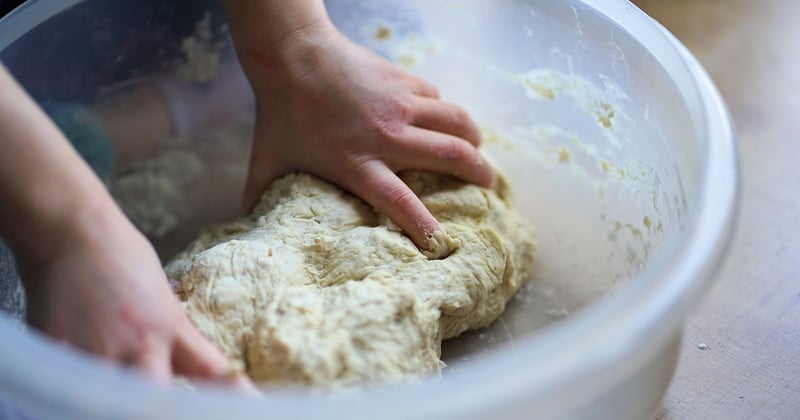
How to Read a Beer Label Like a Pro: Decode Any Brew
Most beer labels are written for regulators, not drinkers—but they're readable once you know where to look. Learn to decode ABV, IBU, packaging dates, and ingredient lists in about fifteen seconds and stop getting burned by bottles that promise one thing and deliver another.
Read more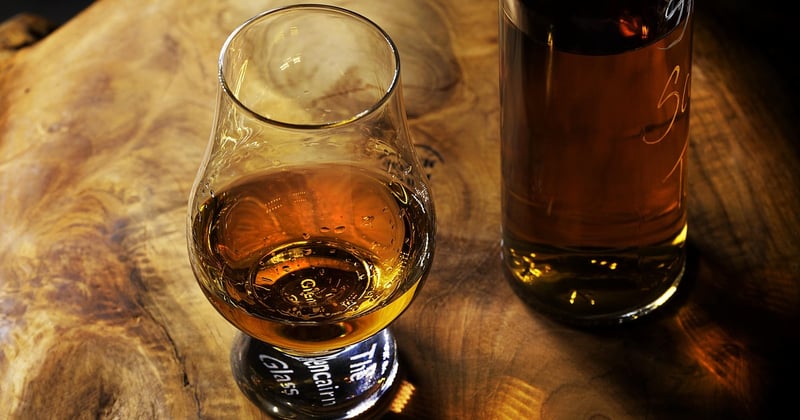
What Malt Sweetness Actually Tastes Like in Beer
That "sweet" taste in beer often has less sugar than a drier-tasting pour—malt sweetness is a perception, not a spoonful of sugar. Learn to separate the layers of bread, toffee, and honey, and tasting gets far more interesting.
Read more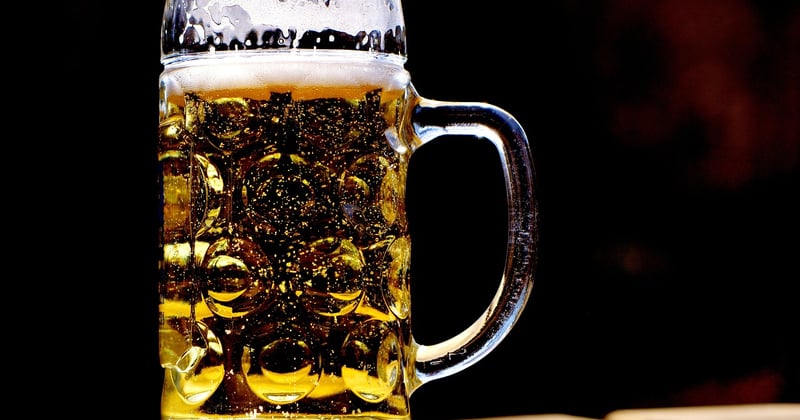
Ale vs Lager Yeast: What Is the Difference Between Them
Ale and lager aren't separated by color or hops—they're defined by yeast. Warm-fermenting ale yeast creates fruity esters, while cold lager yeast delivers a clean, crisp finish. Here's what that invisible difference really means.
Read more
A Beginner's Guide to Understanding Beer Gravity and ABV
Most beginners botch their beer gravity readings—then wonder why their IPA tastes like sweet tea. Learn what OG and FG actually mean, how to nail the (OG − FG) × 131.25 formula, and which mistakes cost you a batch.
Read more
The Role of Hops in Brewing Explained Simply for Beer Lovers
Same plant, wildly different beer—the secret is when you add the hops. Discover how a single timing decision shapes bitterness, aroma, and everything in between.
Read more