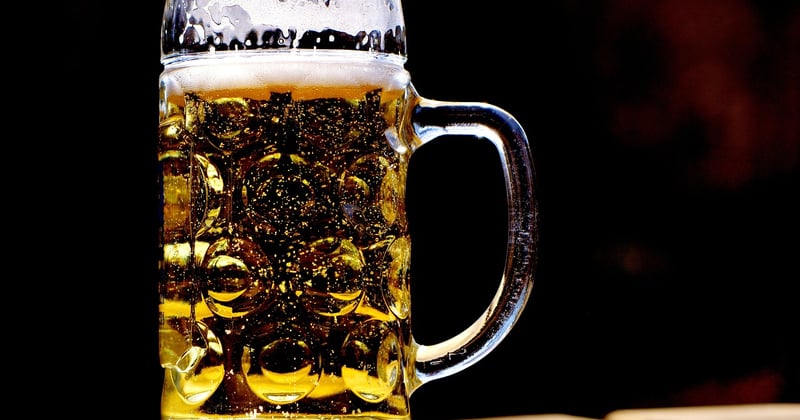
You order a pale ale, take a sip, and your face folds in on itself. Bitter. Not "hmm, interesting" bitter — "did someone brew this with pine needles and regret" bitter. Then you try a stout a week later and it tastes like liquid bread, soft and sweet, with barely a hint of that same ingredient. Same plant, wildly different result. That gap is where most beer drinkers get lost, and honestly, where I got lost too.
Hops are the flowers of a plant called Humulus lupulus, and they do far more in your glass than most people realise. Here's the thing, though: everything I'm about to explain comes down to one variable almost nobody talks about — when you throw them in.
Key Takeaways
- Hops are the cones of Humulus lupulus, a plant in the same family as hemp and cannabis.
- They add bitterness, aroma, and flavour — but also help beer keep its foam and stay fresh longer.
- Early additions to the boil give bitterness; late additions give aroma; dry hopping gives that fresh, punchy smell.
- Before hops became standard, brewers used herbs like bog myrtle, yarrow, heather, or juniper — a mix called gruit.
- Every beer on the market today contains hops; without them, it wouldn't be beer as we define it.
What hops actually do in your beer
Four jobs, and they rarely get equal billing.
The first is bitterness. Malt brings sugar and sweetness; hops bring the counterweight. Without that balance, a strong beer tastes like syrup. The second is aroma — those citrus, pine, or floral notes you smell before you taste. Third, flavour itself, which sits somewhere between the two. And fourth — the one most drinkers never think about — preservation. Hops help keep beer fresher for longer, and they support the head of foam, which matters more than it sounds: that foam carries a good chunk of the beer's aroma upward.
What is hops, and what does it do?
Hops are the flowers, or cones, of a hardy climbing plant grown across the world — the Pacific Northwest, particularly Washington's Yakima Valley, is a major producer, though you'll find hop farms in plenty of other places too, including up in Maine.
Inside those cones are tiny glands filled with resins and essential oils. The resins give bitterness. The oils give smell. Everything else in brewing is about how you coax those two things out.
The purpose of adding hops during the brewing process
Here's where it clicks for most people. The same hop, added at different moments, produces a completely different beer.
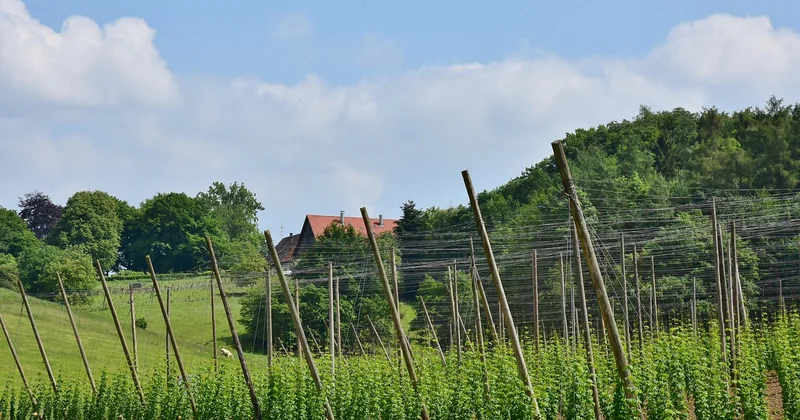
Add hops early in the boil — the long, rolling phase where the wort is cooked — and you extract bitterness. The heat drives a chemical change in the alpha acids that makes them bitter in a way your tongue registers. Add them late, near the end, and much of that bitterness potential evaporates, but the volatile oils survive. That's aroma. Add them after fermentation, cold, in a step called dry hopping, and you get a fresh, intense smell with almost no added bitterness at all.
| When you add hops | What you get | Typical character |
|---|---|---|
| Early in the boil | Bitterness | Firm, clean, structural |
| Late in the boil | Flavour and some aroma | Layered, rounded |
| After the boil (whirlpool) | Aroma without harshness | Bright, fruit-forward |
| During or after fermentation (dry hopping) | Pure aroma | Punchy, fresh, grassy or citrusy |
Sound familiar? Good. Now the honest part.
Bitterness is not the same as "hoppy"
I made this mistake for years. I'd order the bitterest thing on the menu assuming it was the most hoppy, and then wonder why a heavily dry-hopped pale ale smelled like a grapefruit grove but barely registered on the bitter scale. Bitterness and hop aroma are two separate dials, and you can crank one without touching the other.
Which brings up the obvious problem: a lot of beer marketing treats "hoppy" as a synonym for "bitter." It isn't. Some of the most intensely aromatic beers I've had are gentle on the palate. Some of the most bitter are almost scentless.
What was the original purpose of hops in beer?
Not flavour. Not fashion. Preservation.
Long before hops became the default, brewers balanced malt with whatever bitter herbs they had — bog myrtle, yarrow, heather, juniper. That mix was called a gruit, and it made beer that was drinkable but didn't last. Hops changed the equation because they did something those herbs couldn't: they helped beer stay fresh through storage and transport.
Think about what that meant in practical terms. A brewer who could keep beer stable for weeks instead of days had a product that could travel. That's not a small edge. It reshaped how beer was made and sold.
Where are hops grown?
Hops are hardy and grow in a wide band of climates, but commercial production concentrates in specific regions with the right mix of latitude, sunlight, and soil. The Pacific Northwest is the best-known in the US, with Washington's Yakima Valley standing out; Germany and the Czech Republic are the other names you'll hear constantly once you start reading labels. Maine, as mentioned, has its own small but real hop-farming scene.
And yes — hops in beer side effects is a real search, so let's be clear: hops themselves are a normal food ingredient. The plant is in the same family as hemp and cannabis, which surprises people, but the cones used in brewing don't contain the compounds you'd associate with that relative. The alcohol is what you should be thinking about, not the hops.
How to actually read a beer label
Two numbers do most of the work.
The first is alpha acid percentage, which tells you how much bitterness potential a given hop variety carries. High-alpha hops need less to do the same job. The second is IBU, or International Bitterness Units, which measures the finished beer. A pale ale might land somewhere in the middle of the scale; a light lager sits low; a big bitter-forward style pushes higher.
Neither number tells you whether the beer smells good. That's the part you have to taste, and it's the part I've been wrong about more than once — I once dismissed an entire shelf of beers because their IBU numbers were too low for my (frankly obnoxious) preferences at the time. Two of them turned out to be excellent.
The bottom line on hops
Hops keep beer fresh, hold its foam together, and shape both the bitterness and the smell of what's in your glass. One plant, four roles, and a whole range of outcomes depending on a decision that takes seconds — when to add it.
Next time a beer tastes bitter and you can't work out why, ask yourself a different question: what did the brewer want you to smell? The answer is usually sitting right there in the glass, waiting for you to notice it instead of the bite.